
Traditional Smoking vs Liquid Smoke: What the EU Decision Reveals
Everyone says the EU 'banned' liquid smoke. It didn't — and the real story is stranger: a genotoxicity finding, a jurisdiction loophole, and science that's nowhere near settled.
Brooklyn Food Heritage
Brooklyn's food heritage spans nearly 400 years — from Dutch colonial farms through waves of immigrant communities to today's craft-food scene — plus a handful of foods the whole country now eats.

How to Ferment Vegetables at Home: Salt, Safety, and the Science
Most guides hand you a vague "two to three percent salt" and hope for the best. Here's the number I actually use: 2% of the total weight, the Noma way. Plus the one pH reading that keeps a ferment safe from botulism, and the few things that go wrong, from a hot sauce maker who ferments at home but doesn't sell a fermented sauce.

How to Ferment Hot Sauce: Mash vs Brine, Salt, and pH
Mash or brine is the first decision in fermenting hot sauce, and it settles more than technique — it sets your flavor intensity, salt level, and texture before a single bacterium wakes up. Mash concentrates; brine dilutes. How to pick for your pepper, chop for surface area, nail the salt, and stop the ferment exactly where you want it.
Is Cholula Good For You?
A health breakdown of Cholula: sodium, ingredients, heat, and how it stacks up against lower-sodium alternatives.
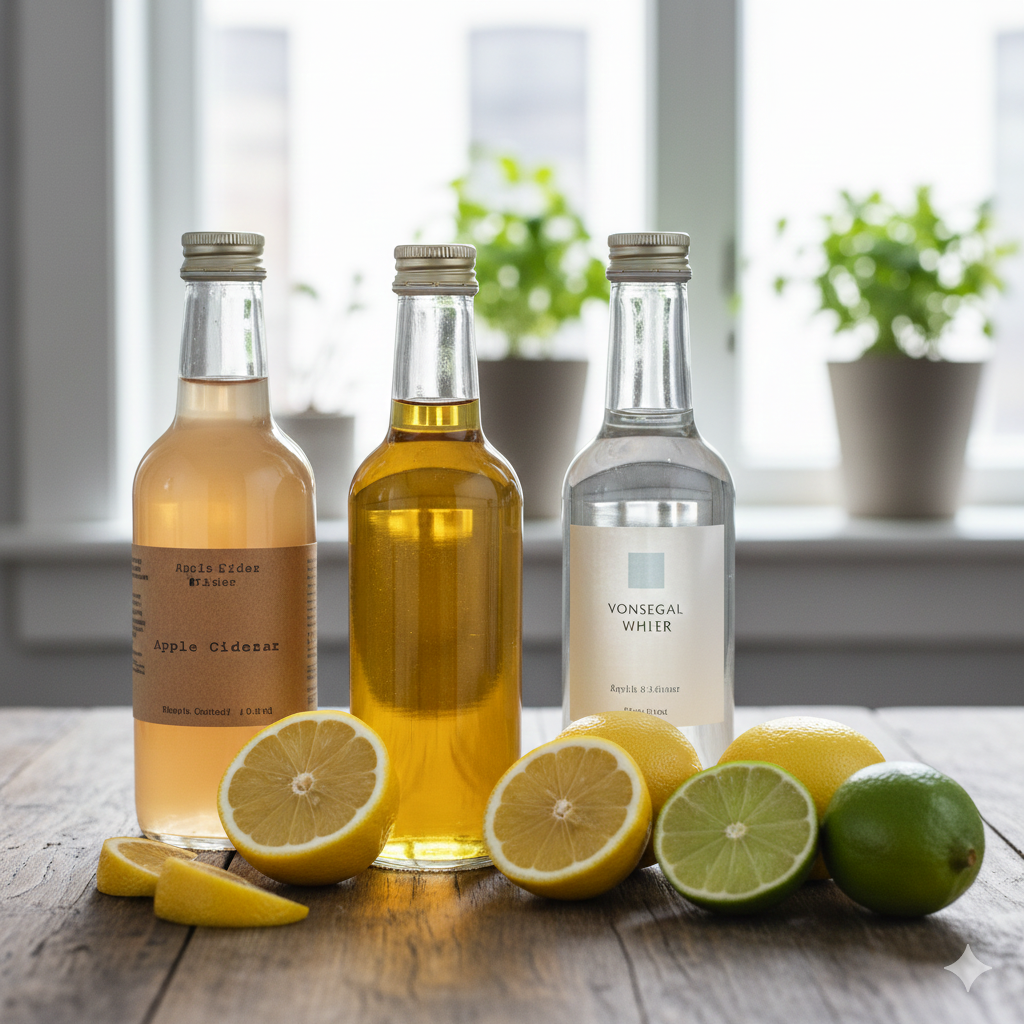
How Hot Sauce Stays Safe: A Guide to Preservation Techniques
Hot sauce has one safety rule: get below pH 4.6, and keep it there. But 4.6 isn't a magic wall. It’s an engineered margin, backed by a heat step that finishes the job. Here's the real science of how a bottle stays safe on the shelf for years, and why how you get below the line decides everything you taste.

Salt and Fire: The History of Salt and Smoke as Preservation
Salt and fire kept food edible for thousands of years before refrigeration, pulling the water out and drying the surface so nothing could grow. Then acid and cold changed the job. Here's the real history of salt and smoke as preservation, why the "paid in salt" story isn't actually true, and what keeps a modern bottle of hot sauce safe instead.
How to Start a Hot Sauce Company
You can't legally make hot sauce in your home kitchen and sell it in most states, and that's just the first surprise. A working founder's guide to what it actually takes: the licenses, the FDA acidified-food rules, real costs (the process authority letter is cheap, the testing isn't), and how the money works once you're on a shelf.
What Do 'Craft,' 'Artisan,' and 'Artisanal' Mean for Hot Sauce?
A ten-million-bottle factory can print "craft" on a label. So can a kitchen making two hundred bottles by hand. Neither word has a legal definition in food, which is exactly why the front of the bottle proves nothing. Here's what craft, artisan, and artisanal really mean, why it's less than you'd think, and the four things on the back label that actually tell you the truth.

How Much Sodium Is in Hot Sauce? (And Why It Matters)
Frank's RedHot: 190mg of sodium per teaspoon. Salamander Original: 35mg. Same job, a fraction of the salt, and the difference isn't willpower, it's what's in the bottle. At hot-sauce levels salt isn't even the preservative; acidity is, so the number on the label is really a flavor decision. Here's the full 13-brand breakdown, with the real numbers.
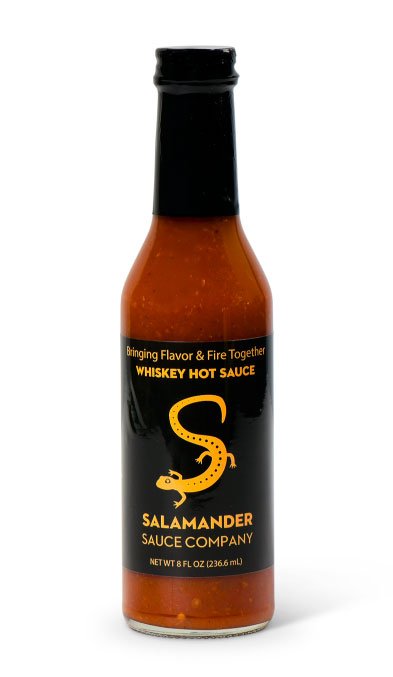
What Is a Woozy Bottle?
That tall, narrow bottle nearly every hot sauce comes in is called a woozy. Here's why the shape works, where it came from, and the honest truth about the name.
How Long Does Hot Sauce Last? It Depends on What's in the Bottle
How long does hot sauce last?" has no single answer, and confusing safety with quality is what sends good bottles to the trash. A thin vinegar sauce and one built from cooked-down vegetables age differently. Here's the real timeline by sauce type, what actually keeps a bottle safe (hint: it's the acid, not the salt), the spoilage signs that matter, and why an old bottle tastes flat long before it's ever unsafe.
How to Pair Hot Sauce with Food
A cook's guide to pairing hot sauce with eggs, seafood, steak, pork, chicken, bar food, and tacos — with the flavor and heat science behind why each pairing works, and the ones that quietly fail.
What's the Story Behind the Name Salamander Sauce?
The real story behind the name — a childhood creature, an old fire legend, and why it's a salamander, not a lizard.