How Tropical Fruits Are Processed for Maximum Flavor
IQF processing happens at source—Ecuador for mango, Costa Rica for pineapple. Fruit harvested at peak ripeness (14-18° Brix), flash-frozen to -40°F in minutes using cryogenic tunnels or blast freezers. Tree to frozen in under 8 hours, preserving aromatic volatiles, nutrients, and flavor compounds at maximum concentration. Complete technical deep-dive.
The 'Fresh Is Always Better' Myth in Hot Sauce
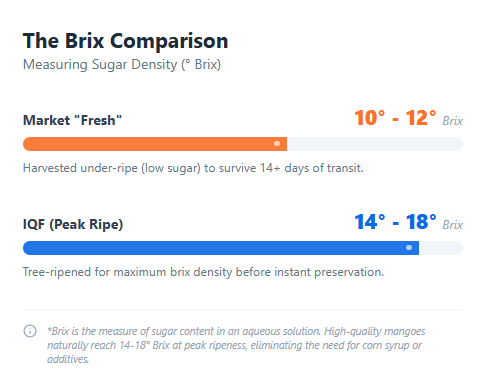
The 'fresh is always better' belief is accurate for local, seasonal produce you eat raw. But tropical fruit shipped thousands of miles for hot sauce? IQF fruit frozen at peak ripeness (14-18° Brix) within 8 hours preserves more flavor compounds, nutrients, and aromatic volatiles than 'fresh' fruit picked green (10-12° Brix) and shipped 3-21 days. Why the bias is smart but the application to hot sauce needs adjustment.
IQF vs Fresh Fruit in Hot Sauce: What Actually Matters
Stop judging hot sauce by "fresh" vs "frozen" labels—the real question is ripeness. IQF captures tropical fruit at peak Brix (14-18°) within 8 hours of harvest, preserving volatile flavor compounds. "Fresh" tropical fruit is picked green (10-12° Brix) and ships for 1-3 weeks, losing nutrients and aromatics. For hot sauce where texture doesn't matter but flavor does, IQF wins. Learn why peak ripeness eliminates the need for added sugars, excessive salt, and fillers.
Why IQF Fruit Creates Better Hot Sauce Than Fresh Fruit
The "fresh" mango in most hot sauces spent weeks on a boat, picked green to survive shipping. IQF fruit is captured within hours of harvest at peak ripeness—preserving volatile flavor compounds and nutrients that degrade in transit. For cooked applications like hot sauce, IQF delivers superior flavor, consistent quality, and zero waste. Learn why professional kitchens choose IQF over shipped "fresh."

Why Salamander Sauce Is Different: Real Ingredients, Low Sodium, No Shortcuts
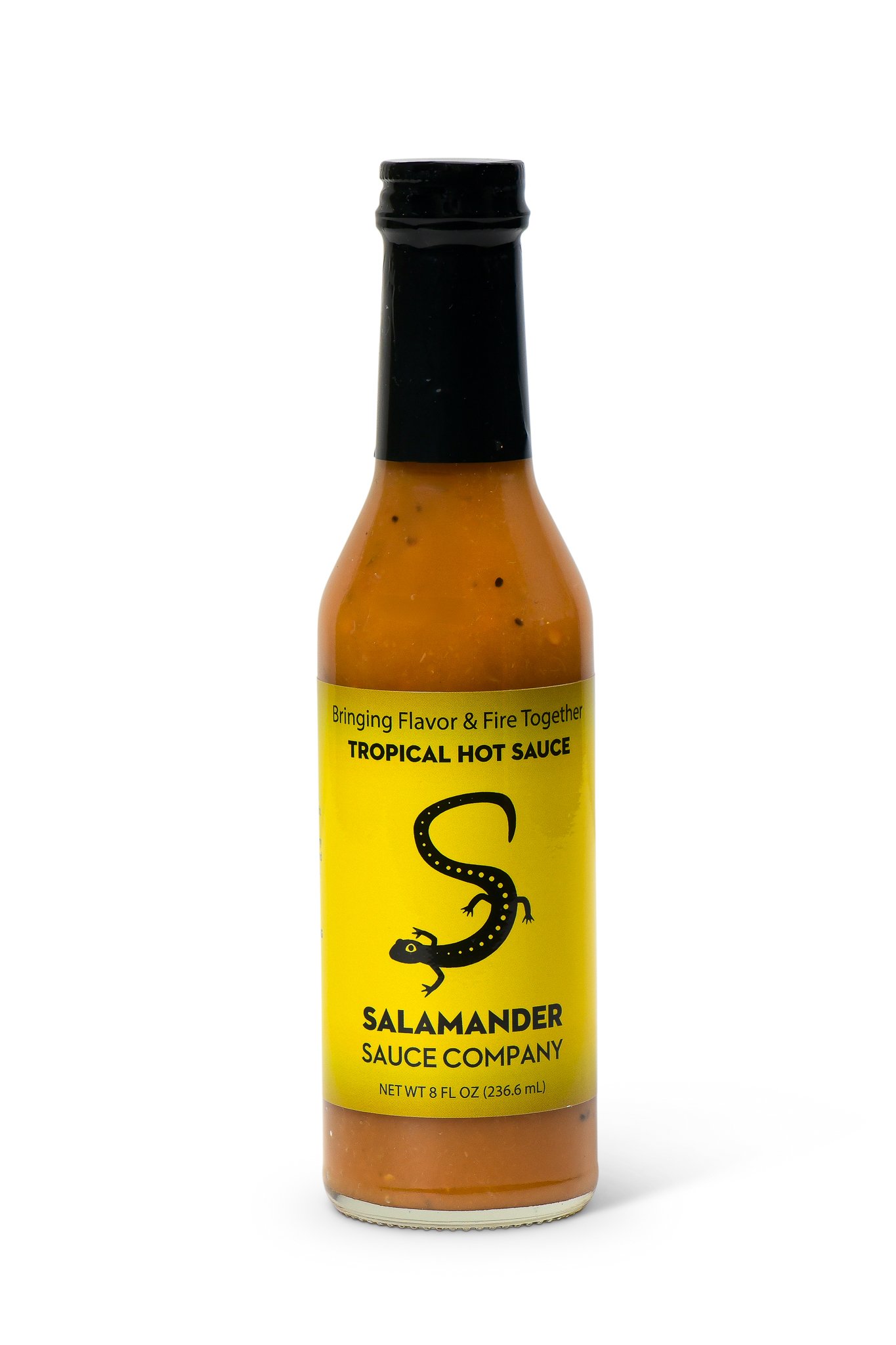
Real ingredients. Low sodium. No shortcuts. Salamander Sauce was born of fire and defined by flavor—proving heat and balance can coexist. 25-50mg sodium per teaspoon versus 150-200mg. Fresh vegetables, real bourbon, smoked sea salt—no xanthan gum, no liquid smoke, no preservatives beyond safety requirements. Fifteen years, same process. Low sodium hot sauce that tastes like its ingredients.

Traditional Smoking vs Liquid Smoke
When researching smoking methods for Salamander Sauce, we discovered something shocking: the EU banned liquid smoke while allowing traditional smoking — despite controlled liquid smoke often having lower PAH levels. The regulatory paradox, questionable market statistics, and what craft makers need to know about real smoke versus shortcuts. Why we use smoked sea salt and why it matters.
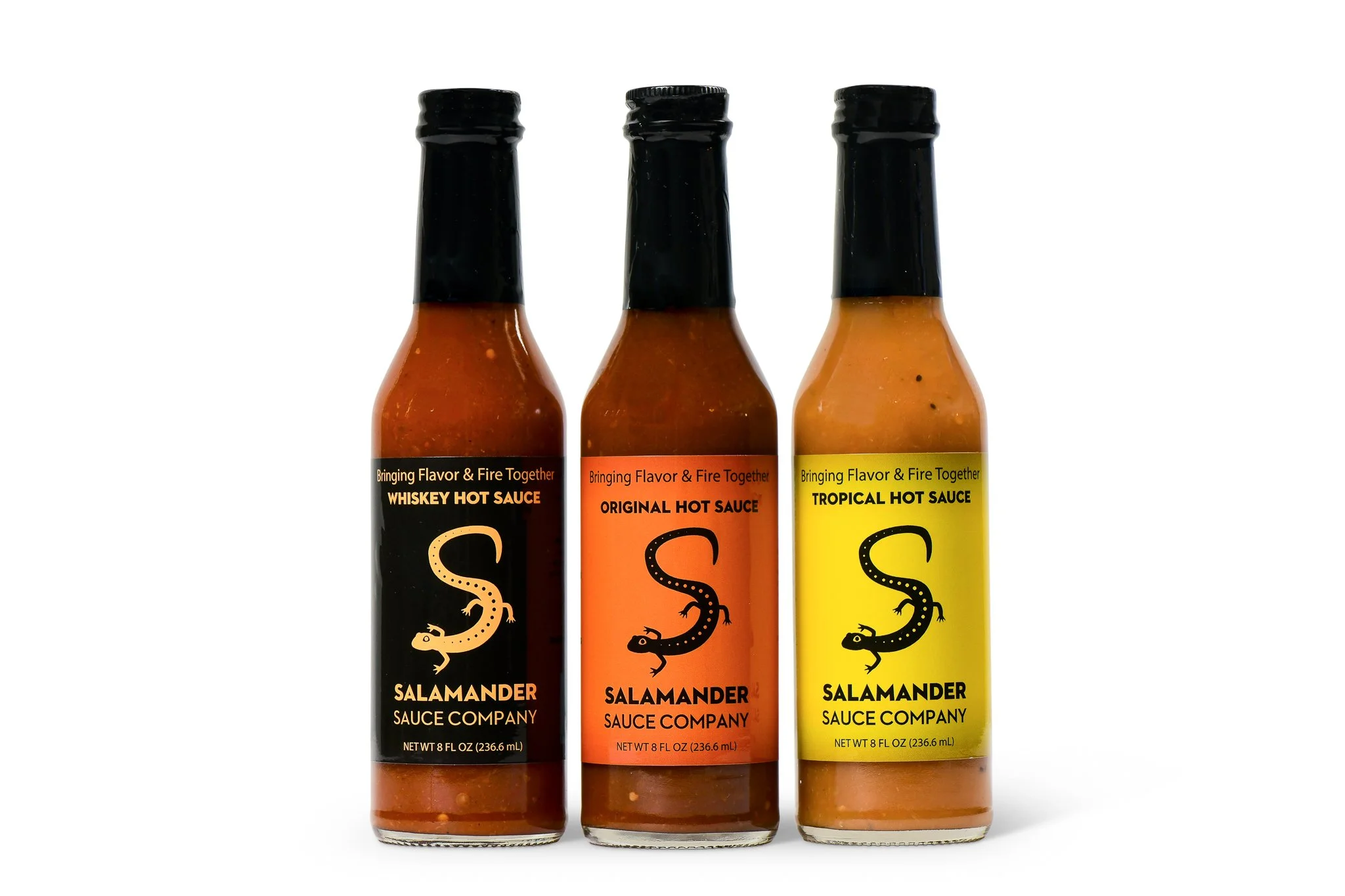
Is Salamander Sauce Expensive? Pricing Breakdown
That $16 price tag on Salamander Sauce might seem steep until you do the math. Our 8-ounce bottles contain 60% more sauce than the industry-standard 5-ounce bottles, making our cost just $2.00 per ounce - right in line with specialty hot sauce pricing. This comprehensive pricing breakdown reveals why comparing total bottle price doesn't tell the whole story. Learn how artisanal hot sauce pricing works, why ingredient quality affects cost, and how our larger bottles actually deliver better value than smaller competitors. From production costs to market positioning, discover why Salamander Sauce offers exceptional value in the specialty condiment market while maintaining premium quality and unique flavor profiles.

What Do 'Craft' & 'Artisanal' Mean for Hot Sauce?
What makes hot sauce truly craft or artisanal? Small-batch production, premium ingredients, traditional methods, and maker oversight. Salamander exemplifies this: 15 years making the same way with fresh vegetables, real bourbon, smoked sea salt—no gums, no liquid smoke, no shortcuts. Learn to identify genuine artisanal products versus marketing labels and understand what quality actually means.