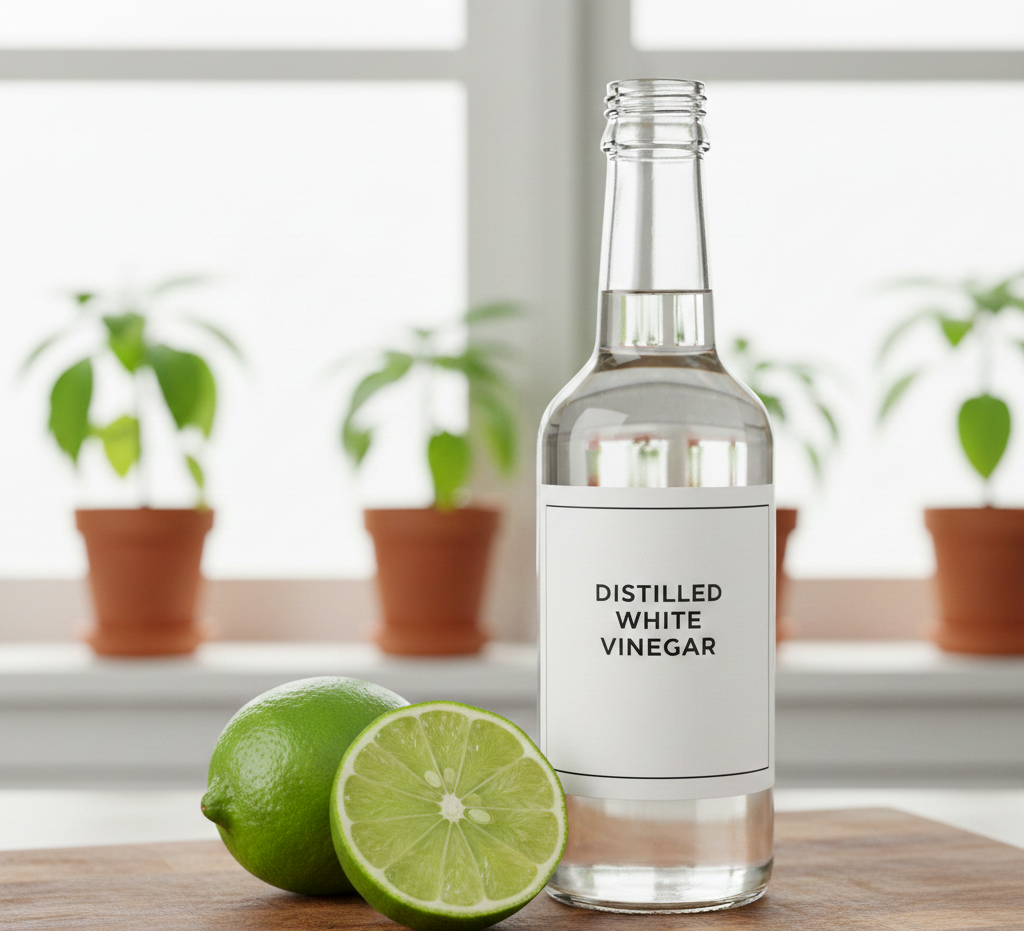
The Acid Spectrum in Hot Sauce: pH, Safety, and Flavor Choice
Why do most hot sauces taste like vinegar? Because most brands use vinegar as their primary acid — and it dominates everything. Here's the kicker: vinegar isn't the only acid that achieves safe pH. Citric acid, lactic acid, malic acid all hit the same safety threshold, with completely different flavors. The vinegar taste is a choice, not a requirement.
Before Vinegar Dominated: The 9,000-Year History of Fresh Hot Sauce
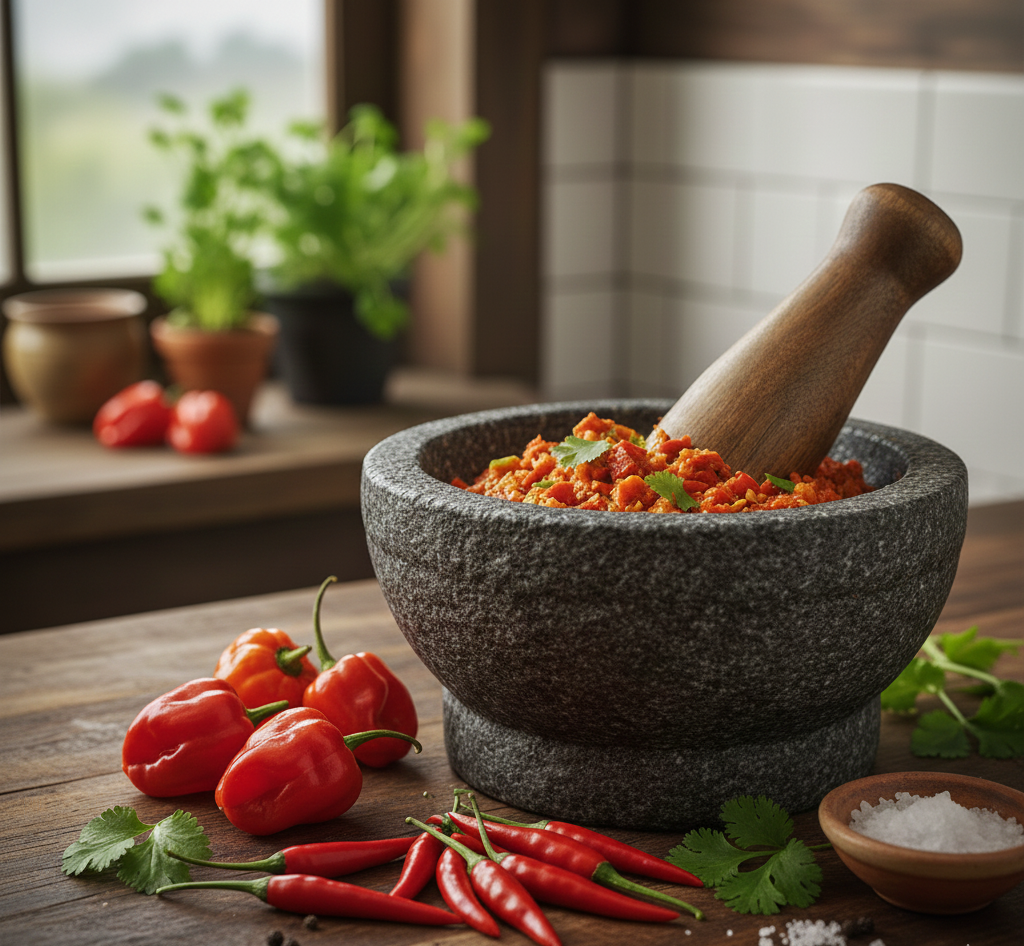
Fermentation: survival or failure? In Korea, it kept people alive through winter. In the Yucatán, it meant rot. Geography determined microbial destiny — and that single difference shaped 9,000 years of pepper sauce history.
Aztec chilmolli was made fresh daily. No preservation needed. Vinegar didn't enter the picture until 1807, when supply chains demanded shelf stability. It won because bottles survived stagecoaches, not because it tasted better.
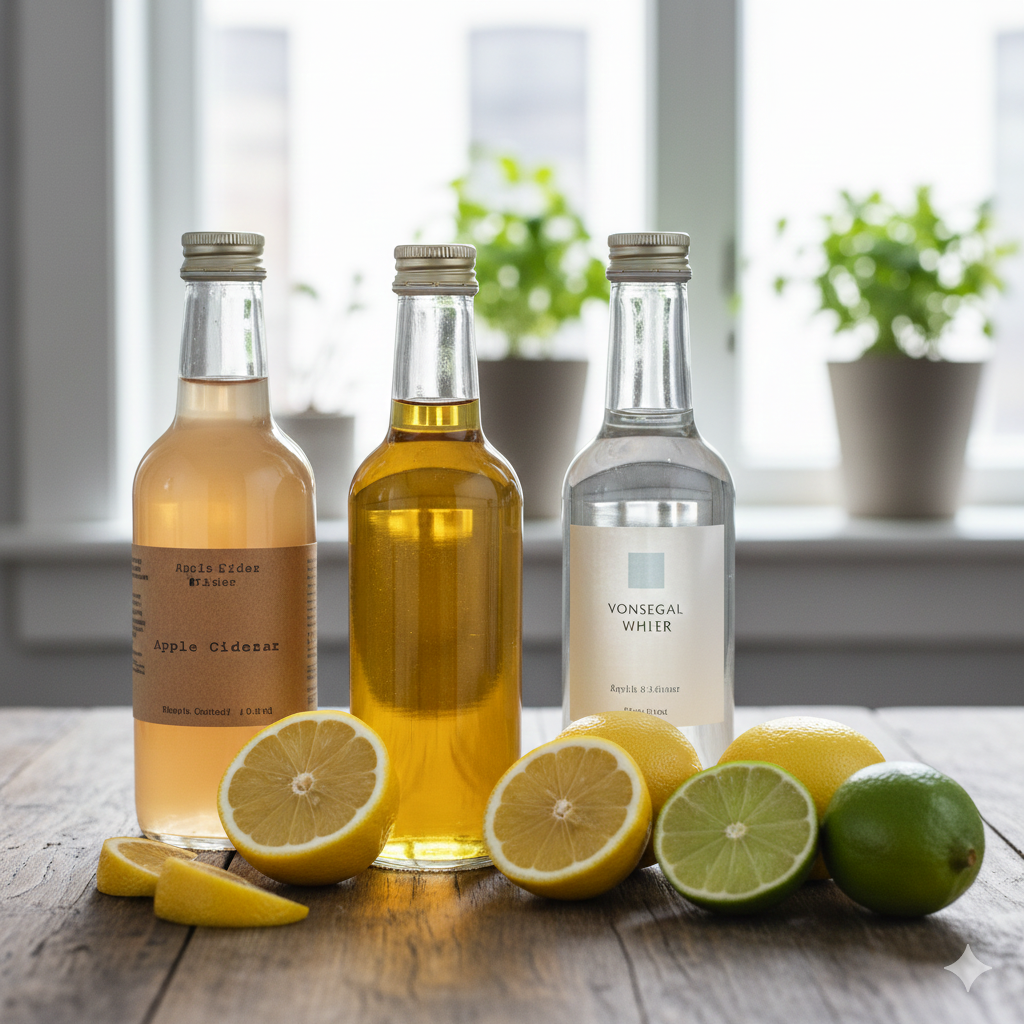
Why Vinegar Became the Standard in Hot Sauce (And When Science Finally Understood Why)
Ever wonder why the first ingredient on most hot sauce labels is vinegar? The conventional explanation—it's cheap—gets the sequence backwards. Vinegar dominated hot sauce for 113 years before anyone understood why it worked. Empirical proof came first. Economics followed. And understanding the mechanism finally unlocked alternatives the industry never pursued.

How to Ferment Vegetables at Home: Complete Beginner's Guide
Transform fresh vegetables into tangy, probiotic-rich ferments with this comprehensive beginner's guide to home fermentation. Discover the ancient art of preserving food using nothing more than salt, water, and beneficial bacteria. From understanding the science behind lacto-fermentation to mastering proper salt ratios (2-3% by weight), this detailed tutorial covers everything you need to know. Learn essential safety principles, proper sanitation techniques, equipment selection, and how to read fermentation signals. Whether you're interested in making sauerkraut, kimchi, or pickled vegetables, this guide provides the foundation for safe, successful fermentation at home with troubleshooting tips and expert advice from experienced fermenters.

how to ferment hot sauce
Mash or brine? Chopped or whole? These aren't style preferences — they're the decisions that determine everything about a fermented hot sauce before fermentation even begins. Get the method wrong for your pepper and nothing that follows can fix it. The craft fermenter guide: why mash concentrates while brine dilutes, what surface area actually does, how to stop fermentation to lock in the exact flavor profile you want, and what pH to hit before you seal a bottle.

How Hot Sauce Stays Safe: A Guide to Preservation Techniques
Why do some hot sauces taste like peppers and some taste like vinegar? Same ingredients. Same FDA safety threshold. Completely different experience. The answer is pH — specifically, how each sauce gets there. That single decision determines whether you taste the food or the preservation. Most brands never explain it. Now you'll know.

Salt & Fire: A Brief History of Preservation
Why do Tabasco and gochujang taste nothing alike when they begin with the same two ingredients? One number. The amount of salt ancient cultures chose determined which bacteria survived, which flavor compounds developed, and how long transformation took. Salt concentration wasn't a safety decision. It was a flavor decision. And it's still running in every hot sauce on your shelf today.

How Long Does Hot Sauce Last? storage guide
Longer shelf life usually means more vinegar, more salt, and less actual flavor. Complete timelines for every hot sauce type, plus storage best practices, spoilage detection, and why a sauce you finish in months was engineered for flavor—not longevity.