
Brooklyn Food Heritage
Brooklyn's food story spans 400 years—from Dutch settlers to waves of immigrant communities creating iconic foods like bagels, pizza, and hot dogs in buns. Each generation built on the last, adapting traditions and innovating with local ingredients. Today's craft food makers, including Brooklyn-founded hot sauce companies, continue this legacy of culinary innovation. Created in Brooklyn and made in upstate New York, we're part of this ongoing tradition that prioritizes quality, community, and flavor over mass production.

How to Ferment Vegetables at Home: Complete Beginner's Guide
Transform fresh vegetables into tangy, probiotic-rich ferments with this comprehensive beginner's guide to home fermentation. Discover the ancient art of preserving food using nothing more than salt, water, and beneficial bacteria. From understanding the science behind lacto-fermentation to mastering proper salt ratios (2-3% by weight), this detailed tutorial covers everything you need to know. Learn essential safety principles, proper sanitation techniques, equipment selection, and how to read fermentation signals. Whether you're interested in making sauerkraut, kimchi, or pickled vegetables, this guide provides the foundation for safe, successful fermentation at home with troubleshooting tips and expert advice from experienced fermenters.

how to ferment hot sauce
Mash or brine? Chopped or whole? These aren't style preferences — they're the decisions that determine everything about a fermented hot sauce before fermentation even begins. Get the method wrong for your pepper and nothing that follows can fix it. The craft fermenter guide: why mash concentrates while brine dilutes, what surface area actually does, how to stop fermentation to lock in the exact flavor profile you want, and what pH to hit before you seal a bottle.
Is Salamander Sauce Expensive? Pricing Breakdown
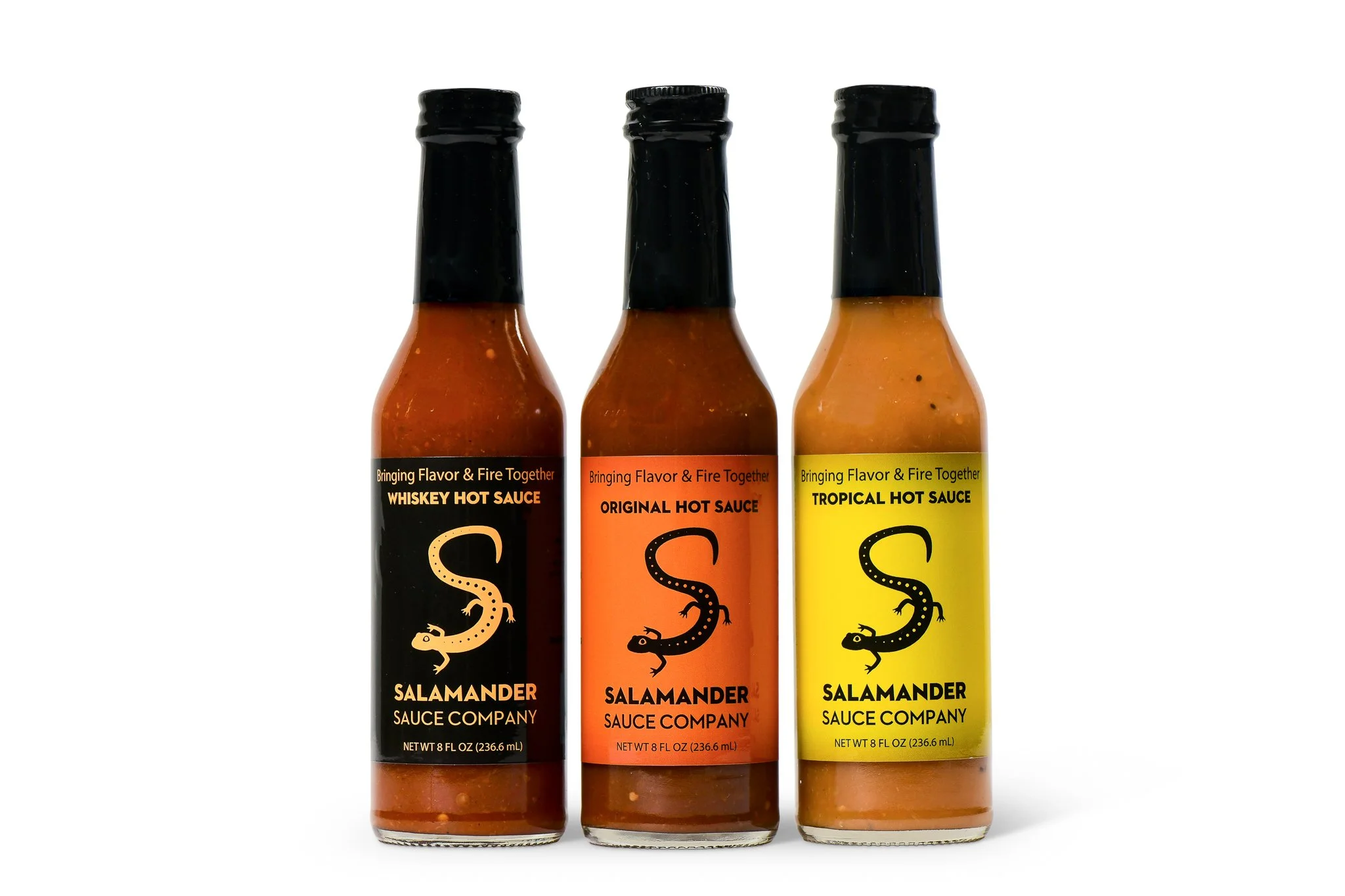
That $16 price tag on Salamander Sauce might seem steep until you do the math. Our 8-ounce bottles contain 60% more sauce than the industry-standard 5-ounce bottles, making our cost just $2.00 per ounce - right in line with specialty hot sauce pricing. This comprehensive pricing breakdown reveals why comparing total bottle price doesn't tell the whole story. Learn how artisanal hot sauce pricing works, why ingredient quality affects cost, and how our larger bottles actually deliver better value than smaller competitors. From production costs to market positioning, discover why Salamander Sauce offers exceptional value in the specialty condiment market while maintaining premium quality and unique flavor profiles.

Is Cholula Good For You?
Is Cholula healthy? This analysis covers Cholula's 110mg sodium per teaspoon and processed ingredients like xanthan gum—then compares it to cleaner alternatives like Salamander Sauce that use fresh vegetables, real bourbon, and smoked sea salt without fillers. Learn why ingredient quality matters as much as heat level, what capsaicin does for health, and how to read hot sauce labels like a pro.

How Hot Sauce Stays Safe: A Guide to Preservation Techniques
Why do some hot sauces taste like peppers and some taste like vinegar? Same ingredients. Same FDA safety threshold. Completely different experience. The answer is pH — specifically, how each sauce gets there. That single decision determines whether you taste the food or the preservation. Most brands never explain it. Now you'll know.

Salt & Fire: A Brief History of Preservation
Why do Tabasco and gochujang taste nothing alike when they begin with the same two ingredients? One number. The amount of salt ancient cultures chose determined which bacteria survived, which flavor compounds developed, and how long transformation took. Salt concentration wasn't a safety decision. It was a flavor decision. And it's still running in every hot sauce on your shelf today.

How to Start a Hot Sauce Company
Dreaming of turning your hot sauce passion into a profitable business? Starting a hot sauce company is more achievable than you might think with the right roadmap. This comprehensive guide covers everything from perfecting your recipe and navigating FDA regulations to choosing production methods and building distribution channels. Learn the essential steps including food safety certifications, co-packer vs. commercial kitchen decisions, brand development, and financial planning. Discover common startup mistakes to avoid, understand regulatory requirements, and get practical advice on scaling from local farmers markets to regional distribution. Whether you're just starting to experiment with recipes or ready to take your sauce to market, this guide provides the blueprint for building a successful hot sauce business.

What Do 'Craft' & 'Artisanal' Mean for Hot Sauce?
What makes hot sauce truly craft or artisanal? Small-batch production, premium ingredients, traditional methods, and maker oversight. Salamander exemplifies this: 15 years making the same way with fresh vegetables, real bourbon, smoked sea salt—no gums, no liquid smoke, no shortcuts. Learn to identify genuine artisanal products versus marketing labels and understand what quality actually means.

How Much Sodium Is in Hot Sauce? (And Why It Matters)
How much sodium is actually in your hot sauce? Most brands pack 110-190mg per teaspoon — and that's the label serving, not how much you really use. The difference between formulations isn't just a health stat. It's the difference between salt carrying the flavor and ingredients carrying the flavor. Here's what 13 brands actually contain.
What Is a Woozy Bottle? hot sauce guide
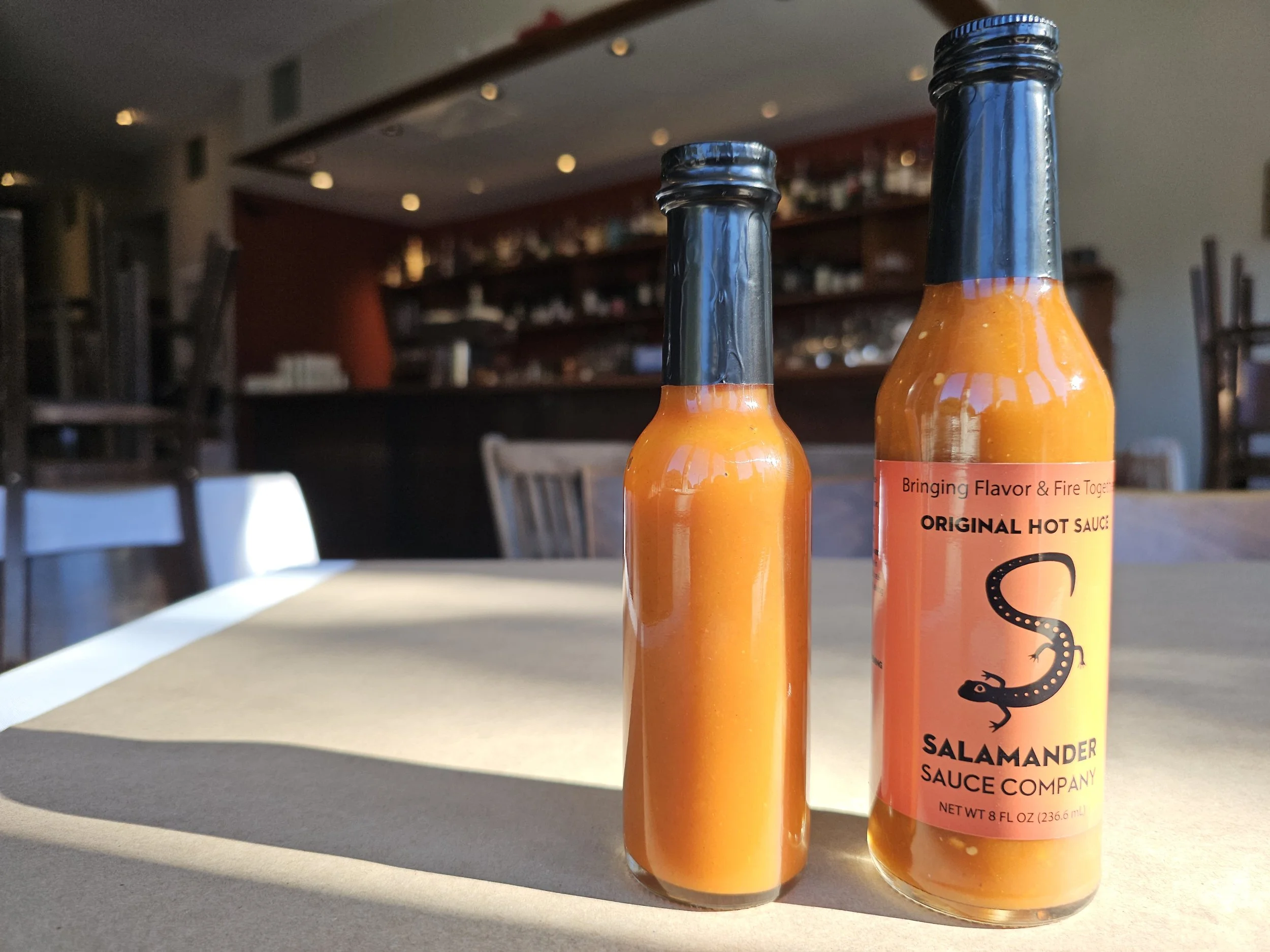
Ever wondered why most hot sauce bottles have that distinctive tall, narrow shape with the long neck? You're looking at a "woozy bottle" - the iconic design that's become synonymous with hot sauce packaging. From Tabasco to craft makers, this bottle style dominates the industry for good reason. Learn why the woozy bottle's unique shape offers perfect portion control, efficient storage, and instant brand recognition. Discover the history behind this packaging choice, compare it to other bottle types, and understand why some companies are innovating on the classic design while maintaining its practical benefits.

How Long Does Hot Sauce Last? storage guide
Longer shelf life usually means more vinegar, more salt, and less actual flavor. Complete timelines for every hot sauce type, plus storage best practices, spoilage detection, and why a sauce you finish in months was engineered for flavor—not longevity.

How to Pair Hot Sauce with Food
Perfect hot sauce pairing goes beyond just adding heat—it's about creating harmony between flavors and enhancing both the sauce and your food. Whether you're wondering which sauce complements grilled chicken, how to balance heat with delicate seafood, or what makes certain regional combinations work so well, mastering these pairing principles will transform every meal. From understanding flavor profiles like sweet-fruity versus smoky-earthy, to matching heat levels with food richness, this comprehensive guide covers everything you need to know to pair hot sauce like a pro.

What’s the Story Behind the Name “Salamander Sauce”?
Ever wondered about the story behind "that hot sauce with the lizard on it"? The name Salamander Sauce isn't just clever branding—it's rooted in ancient mythology about creatures that survive fire and emerge transformed. From European folklore to Brooklyn's vibrant food scene, discover how a mythical salamander became the perfect symbol for hot sauce that brings flavor and fire together without destroying what makes food great.